
You are looking for the perfect stone for your project. You worry that spills or scratches might ruin your investment. You need to know which material will last longer.
Granite is generally more durable than marble. It is harder, resists scratches, and withstands heat much better. Marble is softer and more porous. It can stain or etch easily if you use acidic foods on it. For high-traffic areas like kitchens, granite is the stronger choice.
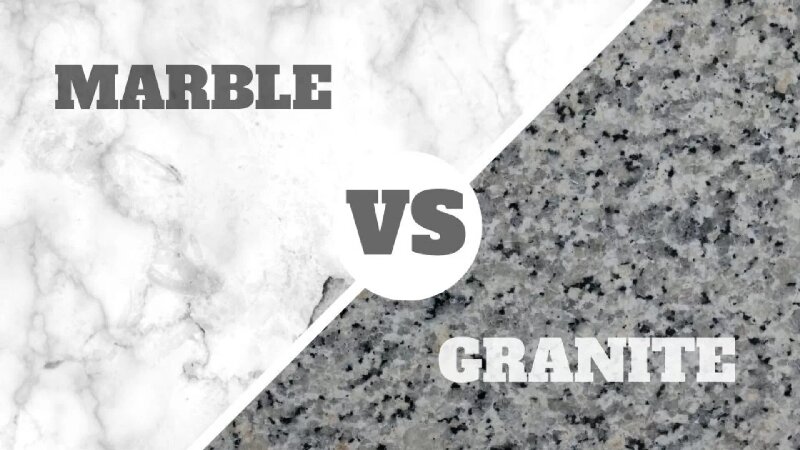
I have helped many clients make this difficult decision. I will explain the differences simply so you can choose the right stone for your home or business.
How strong is granite against daily wear and tear?
Kitchens see a lot of action every single day. You use sharp knives, hot pans, and heavy pots. You need a surface that fights back against this abuse.
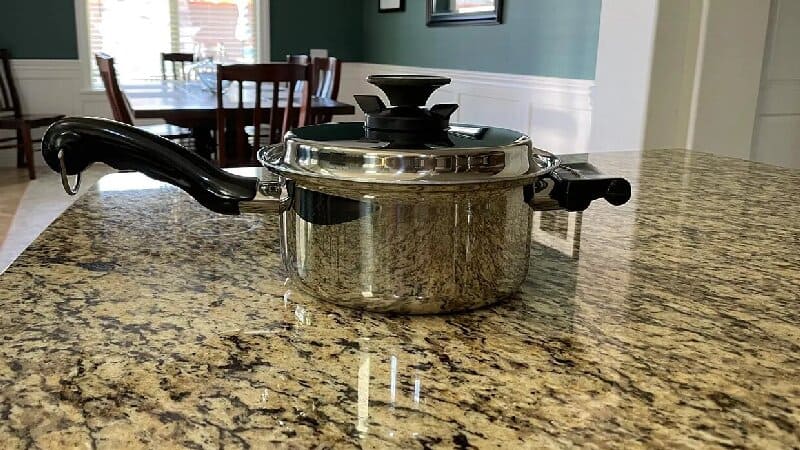
Granite is an igneous rock formed by extreme heat. It scores very high on the Mohs hardness scale1. This means it resists scratches from knives and does not melt under hot pans. It is built for tough environments.
Last year, I received a call from a purchasing manager of a kitchen customization company in the UK. They were looking for countertop materials for a large chain restaurant project. The order volume was very large. During our negotiation, he spoke very directly. He told me, "We need a stone that can withstand high-frequency use for a long time. If the countertop wears out or stains easily, the maintenance cost will be very high. This will hurt our brand reputation."
I understood his concern immediately. I showed him several granite samples from our factory. I explained to him why granite is the best shield against daily wear. Granite is composed mainly of quartz and feldspar. These are very hard minerals. In a busy restaurant kitchen, chefs move quickly. They might drop a pan or chop vegetables directly on the surface.
I told the manager, "The hardness and scratch resistance2 of granite are perfect for restaurant kitchens. It can resist the daily test of hot pots and knives." We looked at the data together.
| Feature | Granite | Marble |
|---|---|---|
| Hardness (Mohs Scale) | 6-7 (Very Hard) | 3-4 (Soft) |
| Heat Resistance | Excellent | Good, but can discolor |
| Scratch Resistance | High | Low |
This table clearly shows why granite is the warrior of stone materials. It does not just look strong; it is strong. For a place with constant activity, granite does not fail.
Is marble too delicate for high-traffic areas?
Marble looks elegant, expensive, and very beautiful. But beauty often comes with a price regarding care. You must understand its vulnerabilities before you buy it.
Marble is a metamorphic rock made mostly of calcium carbonate3. It is softer than granite and reacts to acids. Lemon juice or wine can leave dull spots called etching. It is more prone to scratching and chipping.

During that same meeting with the UK manager, I also brought out several marble samples. I knew they wanted the restaurant to look fancy. I told him, "Marble can create a luxurious atmosphere." However, I had to be honest about its physical properties. Marble is softer. If you cut on it, you will leave marks. If you spill vinegar or orange juice, the acid eats away a tiny bit of the surface. This creates a dull spot.
This is why I gave him a specific piece of advice. I said, "Marble is beautiful, but in a high-frequency kitchen area, it might need more maintenance." We need to think critically about where we put the stone. Marble is porous. This means it has tiny holes that can absorb liquids. If you spill red wine on white marble, it can sink in deep.
Here are the main enemies of marble:
- Acids: Lemons, limes, vinegar, and tomatoes.
- Pigments: Red wine, coffee, and spices like turmeric.
- Impact: Heavy pots can chip the edges.
The manager listened carefully. He realized that putting marble in the main cooking area would be a mistake. It would look old and damaged very quickly. But he still loved the look. This led us to a discussion about using the right stone in the right place. Durability is not just about the stone; it is about how you treat it.
Which stone requires more work to keep clean?
Nobody wants to spend hours cleaning their countertops. You want a stone that looks good with simple care. Maintenance is a huge factor in your decision.
Granite is low maintenance and usually only needs sealing4 once a year. Marble requires more frequent sealing4 and very careful cleaning. You must wipe up spills on marble immediately to prevent permanent damage.
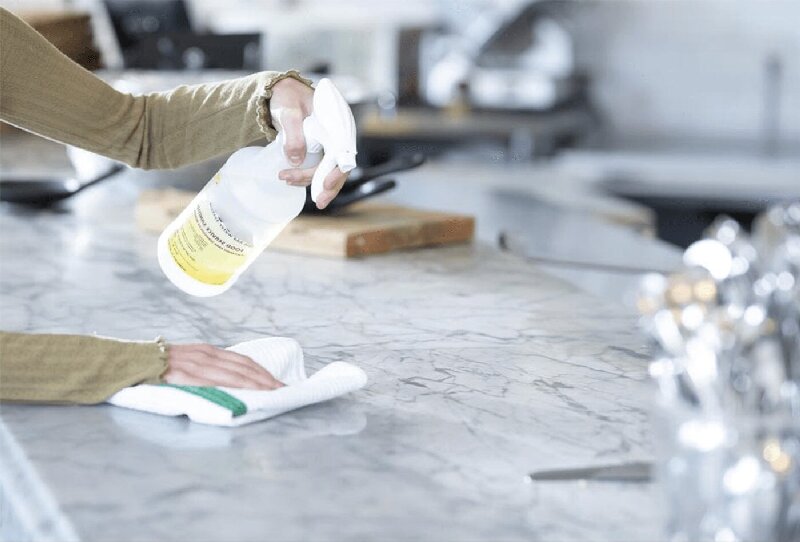
When we talk about durability, we are also talking about effort. Granite is forgiving. If you forget to wipe a water spill for an hour, granite is usually fine. I explained to my client that granite is dense. It does not drink up liquids easily. We apply a sealer at our factory, and the customer might need to reapply it once a year. It is a simple process. You wipe it on, let it dry, and you are done.
Marble is different. It is like a sponge compared to granite. It needs a high-quality sealer applied more often, perhaps every six months. Also, you must be careful about what cleaning products you use. You cannot use common household cleaners with bleach or ammonia on marble. They will damage the seal and the stone. You must use pH-neutral cleaners.
I told the manager, "If the maintenance cost is high, it affects your profit." Imagine paying staff to constantly polish out scratches or re-seal the tables every month. That is not practical for a busy business. Granite allows you to clean with mild soap and water. It saves time. Marble demands attention. If you ignore marble, it will show its age. If you ignore granite, it stays the same. This difference in "care durability" is a major reason why many commercial projects lean towards granite for work surfaces.
How should you choose the right location for each stone?
Putting the right stone in the wrong place is a disaster. You need to match the material to the activity level. This saves you money and stress later.
Use granite for busy kitchens, outdoor bars, and areas with heavy tool use. Use marble for bathroom vanities, fireplace surrounds, or decorative tables where spills are rare. This maximizes the lifespan of the stone.
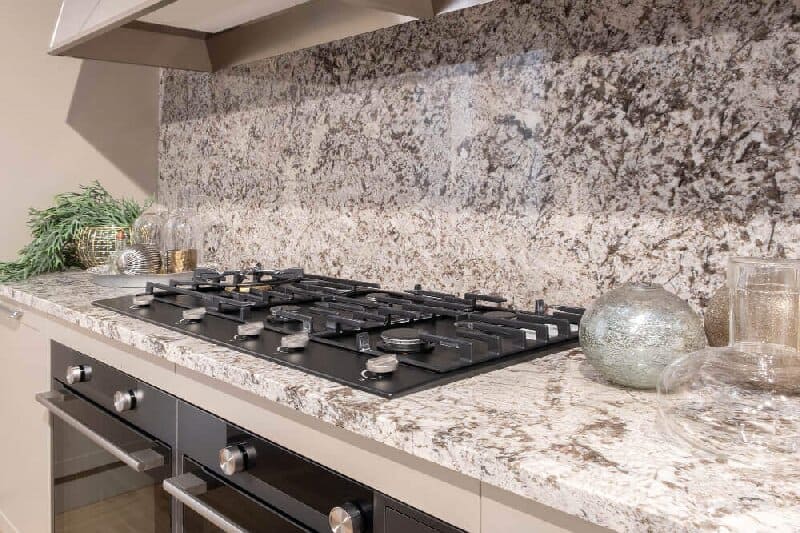
This brings me back to the conclusion of my story with the UK purchaser. After several rounds of discussion, he made a smart choice. He decided to use granite for all the kitchen countertops where the chefs work. But, he did not give up on marble. He chose marble for the restaurant front desk and the dessert display area.
Why did he do this? He told me, "This combination ensures durability and improves the grade of the space."
Let's break down this strategy using critical thinking.
- The Kitchen (The Work Zone): Here, function comes first. Granite resists the heat from the stoves and the scratches from the prep work. It stays sanitary and intact.
- The Front Desk (The Show Zone): Here, aesthetics come first. Customers see this first. No one is chopping onions on the front desk. The risk of acid spills is low. So, marble is safe here. It adds that "wow" factor without the risk of damage.
This is the best way to use natural stone. You do not have to pick just one. You can mix them.
- Best for Granite: Main kitchen counters, outdoor BBQ stations, bar tops, utility room counters.
- Best for Marble: Master bathrooms, powder rooms, wall cladding, low-traffic table tops.
A few months later, the manager contacted me again. He said the customers were very satisfied with the durability and the beauty of the countertops. They plan to use the same scheme in the next batch of chain stores. This proves that understanding the durability of each stone helps you place them where they shine best.
Conclusion
Granite is more durable and easier to maintain than marble. Marble offers unmatched beauty but needs protection. You should choose granite for heavy use and marble for decoration.
Discover how the Mohs hardness scale helps in selecting durable stones for countertops. ↩
Discover how granite's high scratch resistance makes it a better choice for busy kitchens. ↩
Understand how calcium carbonate affects marble's properties and maintenance needs. ↩
Find out the sealing requirements for granite and marble to maintain their appearance and durability. ↩