You want a luxurious home, but you worry about durability. Can natural stone really handle daily messes in your busy kitchen and wet bathroom?
Yes, marble countertops are excellent for both kitchens and bathrooms when sealed properly. While softer than granite, marble offers unmatched beauty and heat resistance. With regular sealing and basic care to avoid acid spills, it provides a timeless, elegant surface that increases property value.
A few months ago, I received an inquiry from a client in Australia. He was renovating his home. He planned to replace the countertops in both his kitchen and bathroom. On the phone, he sounded hesitant. He asked me, "I heard marble is beautiful, but is it really suitable for a kitchen? Is it too delicate?"
I smiled and answered him honestly. I said, "You are right. Marble does need some care. But its natural texture and shine lift the class of a space immediately. You just need to avoid leaving strong acid liquids on it for a long time. You must do regular sealing. Then, it can do the job perfectly."
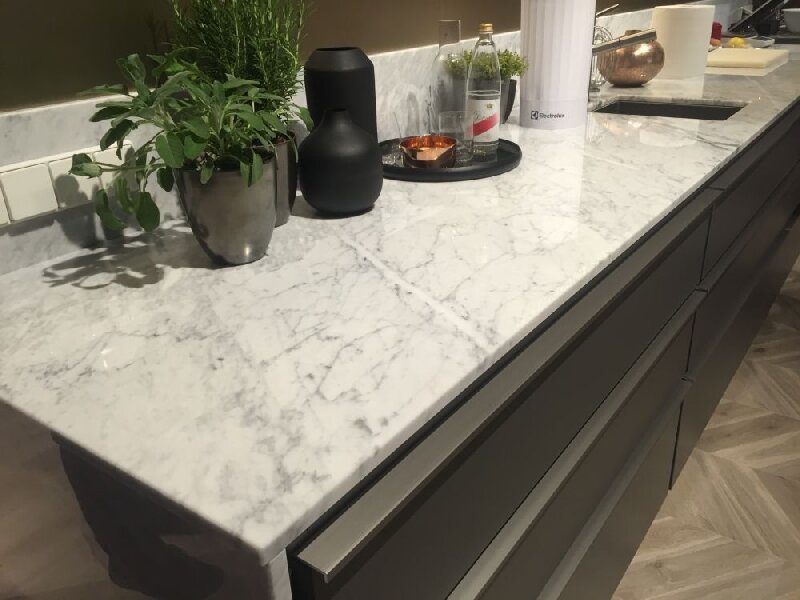
One month later, he finished renovating his kitchen and bathroom. He sent me photos. Sunlight poured through the kitchen window onto the white marble countertops. The bathroom featured dark marble paired with metal faucets. It looked elegant and modern. He wrote in his email: "You were right. Marble makes my home look like a model room in a magazine."
This story happens often in our business. Many people love the look but fear the maintenance. So, let us look at the facts.
Is marble durable enough for daily kitchen use?
Kitchens see knives, heat, and heavy pots every day. You might fear your expensive stone will scratch or crack immediately under this pressure.
Marble is a metamorphic rock, meaning it is hard and heat-resistant. It stands up well to hot pans and baking. However, it can scratch or etch if exposed to acidic foods like lemons. Using cutting boards prevents most damage easily.
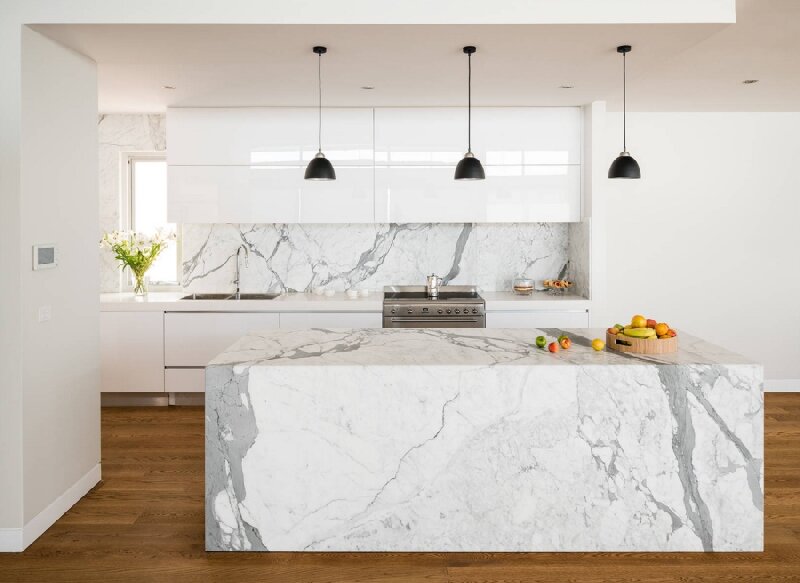
We need to look closely at what durability really means for stone. Durability does not mean the stone is indestructible. It means the stone can last a long time if you treat it right. I have seen marble countertops in Italy that are hundreds of years old. They still look great. They look better with age. We call this a "patina."
In the kitchen, heat is a big issue. You take a hot pan off the stove. You need a place to put it. Plastic or wood might burn. Marble is stone. It was formed deep in the earth under high heat. So, a hot pan will not melt it. This makes it great for baking too. The stone stays cool. This helps when you roll out dough for pastries.
But you must be careful with acids. This includes lemon juice, vinegar, and tomato sauce. Marble is made of calcium carbonate. Acid eats calcium. If you spill lemon juice, it makes a dull spot. We call this "etching." It is not a stain. It is a chemical change.
Here is a simple table to help you understand kitchen use:
| Action | Result on Marble | Advice |
|---|---|---|
| Hot Pan | No damage | Safe to place briefly, but trivets are best. |
| Cutting | Scratches possible | Always use a cutting board. |
| Spills | Staining possible | Wipe up immediately. |
| Acid | Etching (dull spots) | Avoid contact with vinegar/citrus. |
If you accept that the stone will change slightly over time, it is a perfect choice. It tells the story of your cooking.
Does marble require too much maintenance in bathrooms?
Bathrooms are wet, humid, and full of soap scum. You do not want to spend hours scrubbing your vanity top every single week.
Marble performs beautifully in bathrooms because it resists steam and heat naturally. The main requirement is sealing the stone once or twice a year. This prevents water absorption and staining from makeup or lotions, keeping the surface smooth and hygienic.
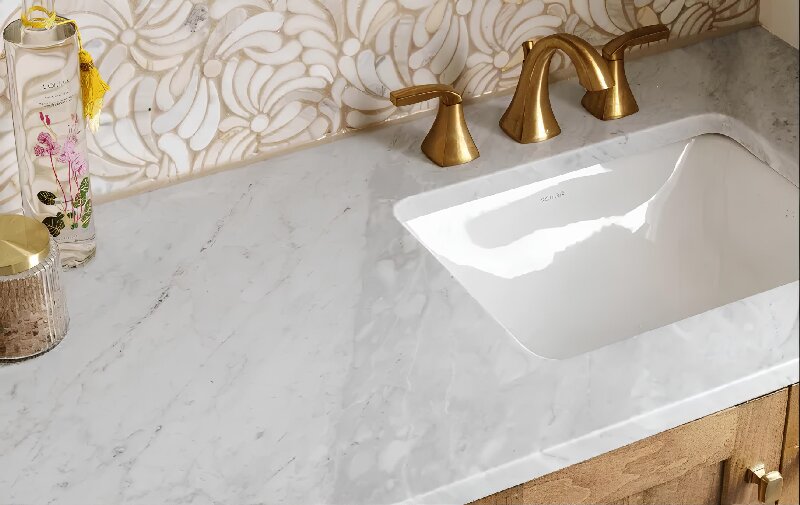
The bathroom environment is different from the kitchen. You do not have hot pans or tomato sauce here. You have water, soap, toothpaste, and cosmetics. Water is the main thing to think about. Marble is porous. This means it has tiny holes. If you do not seal it, water can soak in.
In our factory in Shuitou, we process thousands of vanity tops. We always tell clients to seal the stone before installation. A sealer is a liquid. You wipe it on. It fills the pores. Then, water sits on top like a bead. It does not soak in. This makes cleaning very easy. You just wipe it with a soft cloth.
You also need to watch out for certain products. Some bathroom cleaners have acid. Remember, acid hurts marble. You should use a mild soap or a cleaner made for stone. Also, some makeup or hair dye can stain. If you drop hair dye, wipe it up fast.
Here is a simple routine I recommend to my clients:
- Daily: Wipe the counter with a damp cloth after use. This stops soap scum build-up.
- Weekly: Use a pH-neutral stone cleaner. This keeps the shine bright.
- Yearly: Apply a new coat of sealer. You can buy this at a hardware store. It takes ten minutes.
If you follow these steps, your bathroom will look like a luxury hotel spa for years. The maintenance is not hard. It is just about good habits.
Will marble countertops increase my home's value?
Renovating is expensive, and you want a good return on investment. You worry that picking the wrong material might hurt your resale price later.
Installing marble countertops significantly boosts a home's market value. Buyers view marble as a premium, luxury material. Its unique veining means no two pieces are alike, offering a custom look that never goes out of style and attracts high-end buyers.
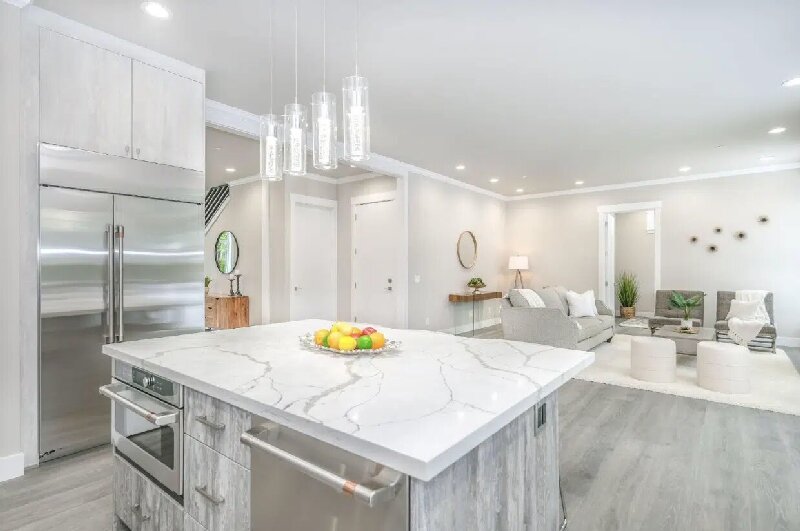
We deal with wholesalers and contractors all over the world. They all tell me the same thing. When a buyer walks into a house, they look at the kitchen first. If they see laminate or cheap tile, they think "renovation work." If they see marble, they think "luxury."
Marble is a natural stone. It is not man-made like quartz. Quartz is good, but it is a print. Every slab looks the same. Marble is nature's art. The veins in the stone were made by earth movements millions of years ago. No one else in the world will have the exact same countertop as you. This exclusivity adds real value.
Real estate agents often list "granite or marble countertops" as a top selling point. It signals quality. It suggests that the homeowner cares about the house. Even if marble costs more upfront, you usually get that money back when you sell.
Let's compare the perception of value:
| Material | Buyer Perception | Value Impact |
|---|---|---|
| Laminate | Cheap, Temporary | Low / Neutral |
| Tile | Dated, Hard to Clean | Neutral |
| Quartz | Practical, Standard | High |
| Marble | Luxury, Exclusive | Very High |
It is an investment. You are not just buying a surface. You are buying an asset for your property.
How can I stop marble from staining and etching?
Spills happen, especially with wine, coffee, or juice. You dread the thought of a permanent mark ruining your beautiful, white stone surface forever.
Prevention is simple with the right habits. Always wipe up spills immediately and use coasters. Most importantly, apply a high-quality impregnating sealer. This creates a barrier that gives you time to clean up messes before they penetrate the stone's pores.
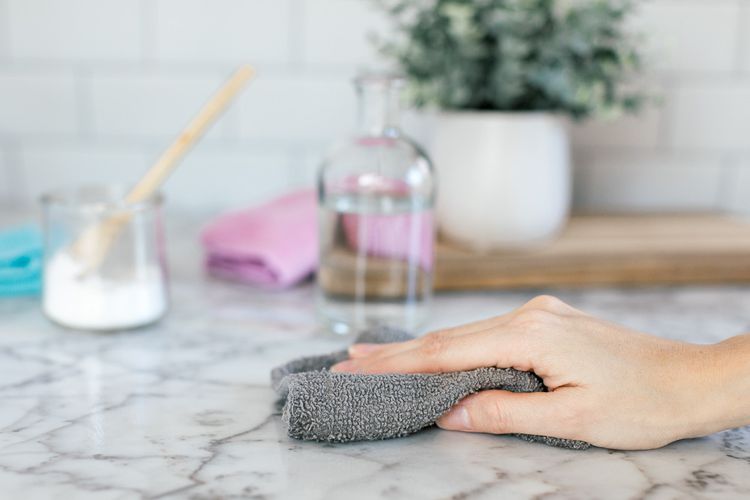
This is the most common question I get. Clients are scared of red wine. They are scared of coffee rings. I understand this fear. But modern technology helps us a lot.
The key is the sealer. In the past, we just used wax. Now, we have "impregnating sealers." These go deep into the stone. They do not just sit on top. They stop liquids from entering the deep structure of the marble. When you have a good sealer, you have time. If you spill wine, you have minutes to wipe it up. It will not stain instantly.
Etching is different. As I mentioned before, etching is physical damage from acid. Sealer does not stop etching perfectly. To stop etching, you need to use coasters under glasses. You need to use trivets under hot dishes that might have sauce on the bottom.
If you do get a stain, do not panic. You can use a "poultice." This is a paste. You put it on the stain. You cover it with plastic wrap. You wait 24 hours. The paste pulls the stain out of the stone. It works like magic.
Also, the finish matters. You can choose "polished" or "honed."
- Polished: Shiny. Shows scratches more. Resists stains better.
- Honed: Matte (no shine). Hides scratches better. Pores are more open, so it needs more sealing.
I usually suggest honed marble for busy kitchens. It hides the little marks of daily life better than polished marble.
Conclusion
Marble is a timeless choice for kitchens and bathrooms. It requires some care, like sealing and wiping spills, but its beauty and value make it worth the effort.