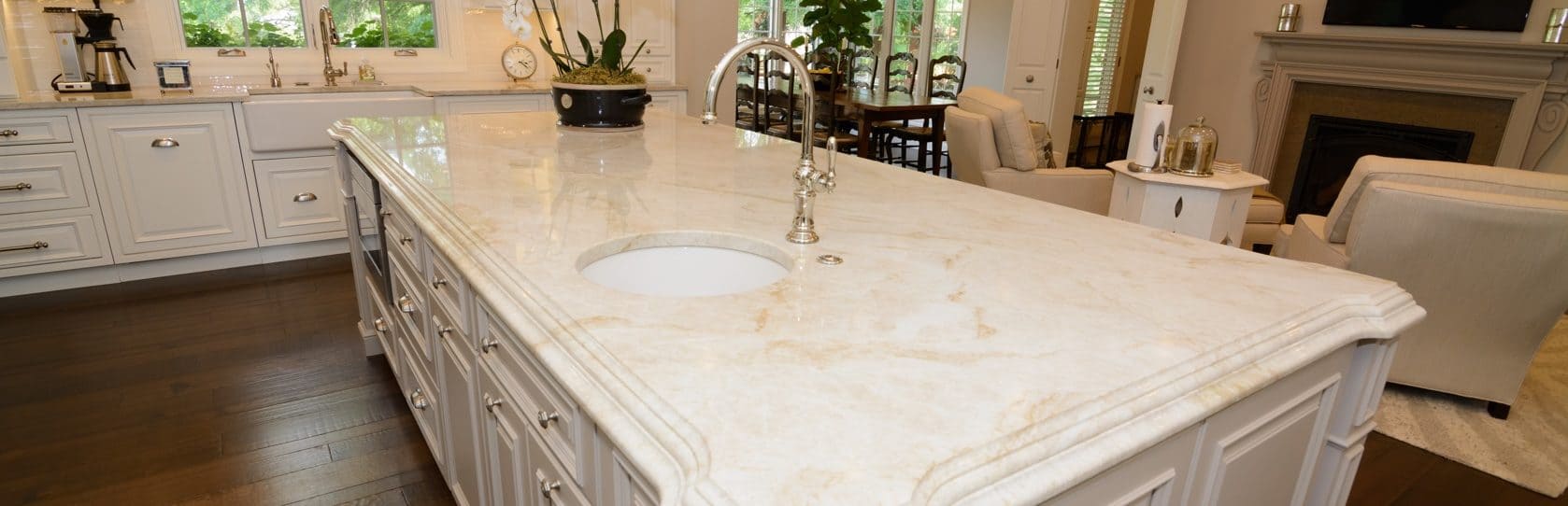
Do you struggle with high material costs for your building projects? Paying local supplier markups1 hurts your profit margins. Importing directly from the source is the solution you need.
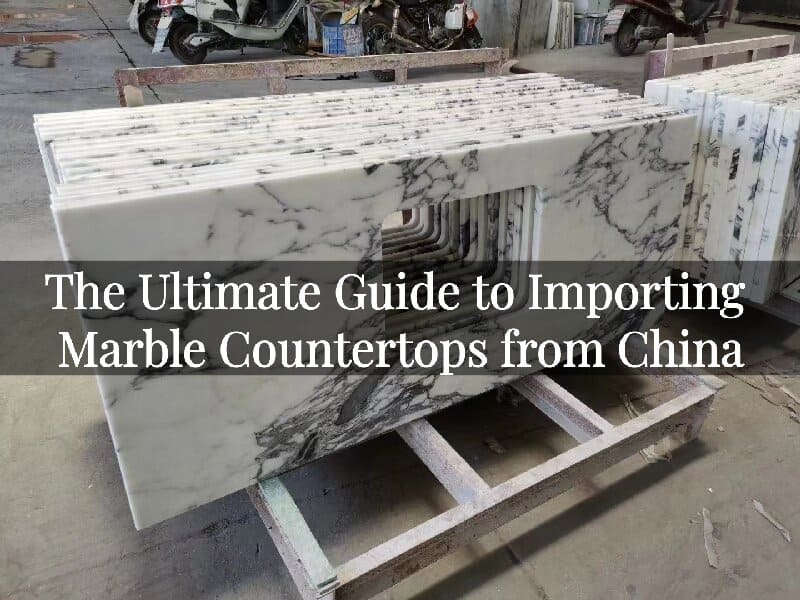
Importing marble countertops from China involves finding a manufacturer in a hub like Shuitou, verifying their production capacity, and managing logistics. This strategy gives you factory-direct pricing and vast customization options. This guide explains how to select the right partner and ensure quality for your business.
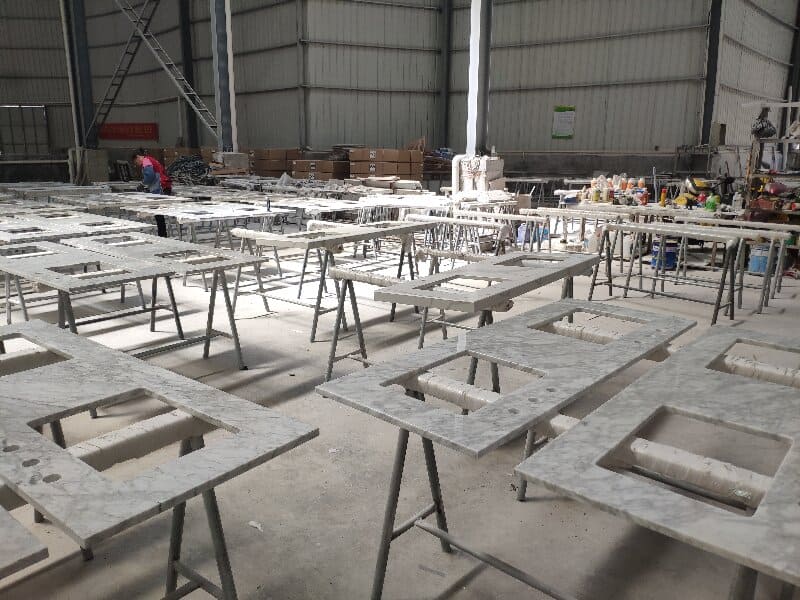
I have seen many clients hesitate before they make their first order. They worry about the quality. They worry about the shipping. But once they understand the process, they never go back to local middlemen. I want to share a real story that shows why this process works.
Why Should You Source Marble Directly from Chinese Manufacturers?
Local suppliers charge you for their storage and overhead. You lose money on every square meter. Sourcing direct puts that profit back into your pocket immediately.
Chinese manufacturers offer lower costs because they are close to raw material hubs and have efficient production lines. You gain access to a wider variety of stone colors and custom capabilities that local middlemen cannot match.
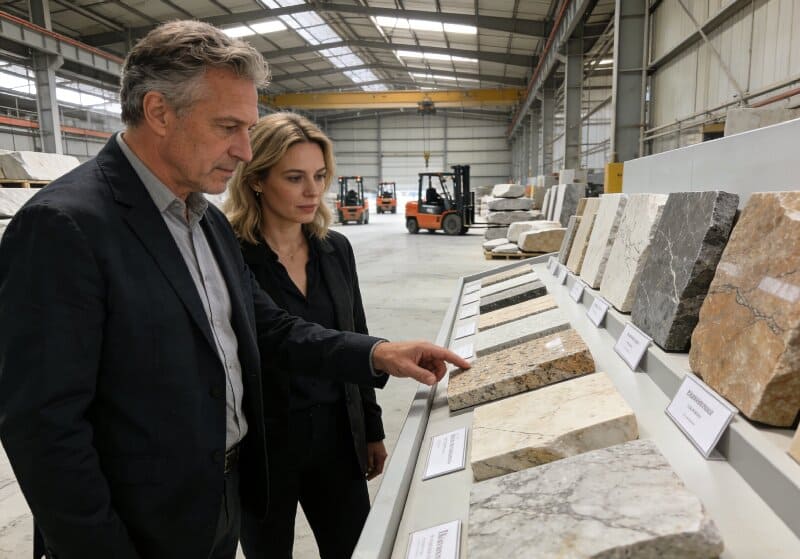
Two years ago, a developer from Melbourne flew all the way to China. He was working on a large luxury apartment project. He needed a lot of stone, but he had a strict budget. He wanted to make sure the countertops matched the high-end image of his brand. He insisted on seeing the materials with his own eyes.
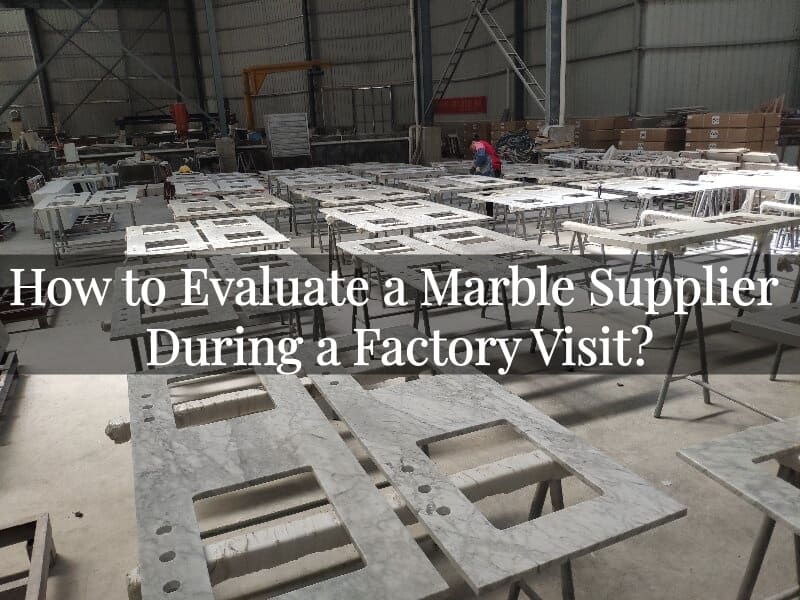
We welcomed him warmly to our factory. We took him to the workshop. He saw the production lines running. He saw the warehouse stacked with hundreds of slabs. Everything was neat and organized. He was very impressed by the scale of our factory. He liked that we could pick slabs directly from the mine resources.
He spent a whole day with us. We compared different finishes. We looked at many colors. Finally, he decided on an order for over 2,000 countertops. This was a big decision for him. But standing there, he told me something important. He said, "Standing here, I truly understand the value behind 'Made in China'. It is not just about price. It is more about capability and reliability."
This story happens often. Clients think China is only for cheap goods. But when they visit, they see the technology. They see the skill. Sourcing direct allows you to control the supply chain. You talk to the people making your product. You do not talk to a salesperson who has never seen a stone cutter. This direct relationship builds trust. It ensures your project gets the priority it deserves.
Benefits of Direct Sourcing
| Feature | Local Supplier | Direct Chinese Manufacturer |
|---|---|---|
| Cost | High (Includes middleman markup) | Low (Factory-direct pricing) |
| Variety | Limited to local stock | Unlimited access to global quarries |
| Customization | Standard sizes only | Fully tailored to your drawings |
| Communication | Slow relay of information | Direct technical support |
How Do You Verify the Quality of Stone Before Buying?
Bad quality stone ruins your reputation and costs money to fix. Cracks and poor polishing are nightmares for any contractor. You need a strict inspection process.
Always ask for physical samples, photos of the current slab inventory, and detailed inspection reports. A trustworthy factory welcomes third-party inspections and shows you their quality control process openly to ensure every piece meets your standards.
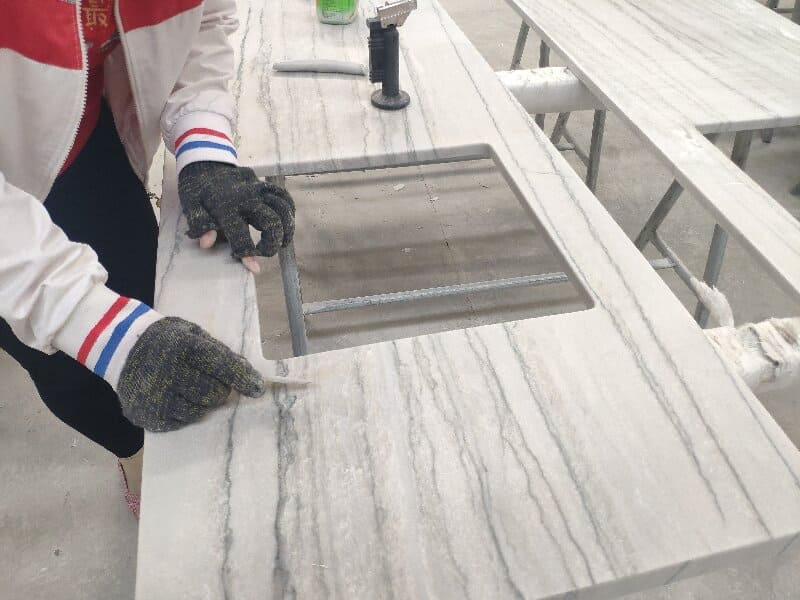
Quality control is the most critical part of importing. You cannot just hope for the best. You must have a system. When the Melbourne developer visited us, we did not just show him the good samples. We showed him how we check the stone.
We have a strict process at Lifeng Stone. First, we check the thickness. We use calipers to measure every slab. The tolerance must be within +/- 1mm. If it is too thick or too thin, we reject it. Next, we check the polishing. We use a gloss meter. For high-quality marble, the polish degree must be over 90. This ensures the stone shines like a mirror.
We also do a "Dry Lay2" for large projects. This means we lay out the tiles or countertops on the factory floor before we pack them. We match the veins of the marble. We make sure the flow of the pattern looks natural. We label every piece. This makes installation easy for you. You just follow the numbers.
For the Melbourne project, we laid out the kitchen islands. The developer walked around them. He looked for cracks. He looked for color spots. He was happy because we were transparent. We did not hide anything. If you cannot visit the factory, you must ask for photos. Ask for videos. A good factory will send you a daily report. We send photos of the cutting, the polishing, and the packing. This way, you feel like you are right there in the factory with us.
Our Quality Control Checklist
- Block Selection: We choose blocks without internal cracks.
- Cutting: We use infrared cutting machines for precise dimensions.
- Polishing: We use automatic polishing lines for a consistent shine.
- Dry Lay2: We match patterns and label pieces for easy install.
- Final Check: We inspect edges and corners for chips before packing.
What Are the Logistics of Shipping Heavy Stone Globally?
Shipping heavy stone sounds scary and complicated to many people. Broken slabs mean lost money and project delays. You need professional packaging and shipping.
Professional stone factories use strong fumigated wooden crates and iron bundles to secure the load. They handle FOB or CIF terms3 to get the container from the port to your local harbor safely and efficiently.
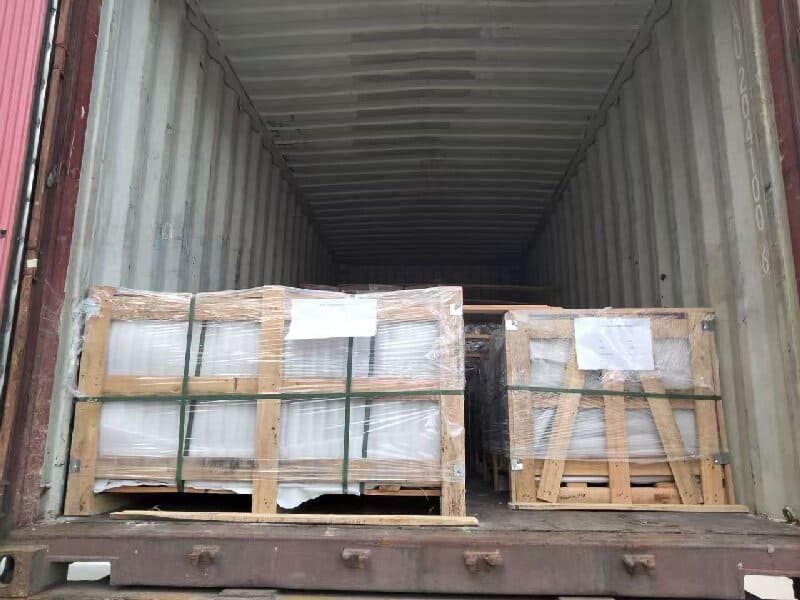
Logistics is where the physical work happens. Marble is heavy. It is also fragile. If you pack it wrong, it breaks. If it moves in the container, it cracks. We have 15 years of experience in packing stone. We know exactly how to protect it.
For the Melbourne order, we had to ship many containers. We used strong wooden crates. The wood is thick and sturdy. We also fumigate the wood. This is a requirement for customs in Australia, the USA, and Europe. It prevents bugs from entering your country. Inside the crate, we put foam sheets between the polished faces. This stops scratches. The stone pieces cannot touch each other directly.
Loading the container is also a skill. We must balance the weight. We cannot put all the heavy crates on one side. The container might tip over on the ship. We use iron clips and straps to tie the crates to the container walls. We make sure nothing moves.
We usually sell on FOB or CIF terms3. FOB means "Free On Board". We pay to get the goods to the ship in China. You pay for the ocean freight. CIF means "Cost, Insurance, and Freight". We pay for everything until the ship reaches your port. For the Melbourne client, we handled everything. He just waited for the call from the local customs broker. We sent him the Bill of Lading4 and the Packing List. These documents are vital. You need them to claim your goods. We make sure every paper is correct. This avoids delays at your port.
Shipping Terms Simplified
- EXW (Ex Works): You pick up goods at our factory. (Hard for you)
- FOB (Free on Board): We load goods onto the ship. You pay ocean freight. (Most common)
- CIF (Cost, Insurance, Freight): We pay ocean freight and insurance to your port. (Easiest for you)
- DDP (Delivered Duty Paid): We deliver to your door and pay taxes. (Most expensive)
What Customization Options Are Available for Your Projects?
Standard sizes often do not fit unique architectural designs. Boring kitchens look cheap and lower property value. You want custom edges5 and shapes.
Factories in Shuitou Town offer precise cutting, edge profiling, and sink cutouts using CNC machines. We tailor every piece to your specific architectural drawings to ensure a perfect fit for your unique project.
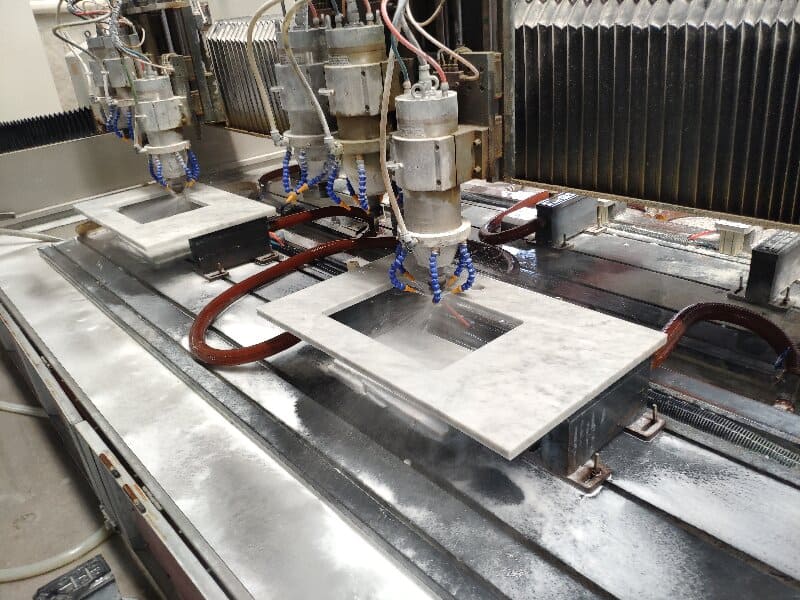
Customization is our strength. We do not just sell blocks. We create solutions. The Melbourne developer had a specific design for his kitchens. He wanted a "Waterfall" edge. This is where the countertop continues down the side of the cabinet to the floor. It looks very modern and luxurious.
To do this, we need precise machinery. We use Waterjet cutting machines. They use high-pressure water to cut the stone. It is very accurate. We can cut curves, circles, and complex shapes. For the edge profiles, we have many options. We can do a simple flat polish. We can do a Bullnose (rounded). We can do an Ogee (S-shape).
For the Melbourne project, the sinks were undermount. This means the sink sits under the stone. We had to cut the hole perfectly. We also had to polish the inside edge of the hole. If this is rough, it looks bad. We did this for all 2,000 pieces.
We also do "Bookmatching". This is for wall cladding or large floors. We cut the block so the veins mirror each other. It looks like an open book. This is very popular for feature walls in villas and hotels. We work with your drawings. You send us the CAD file. We program our machines. The result is exactly what you designed. We understand that every millimeter counts. Whether you are a wholesaler needing standard sizes or a designer needing a unique piece, we adjust our production to fit your needs.
Common Edge Profiles
| Profile Name | Description | Best Application |
|---|---|---|
| Flat Polish | Clean, sharp lines | Modern Kitchens |
| Bullnose | Fully rounded edge | Traditional Bathrooms |
| Beveled | Angled top edge | Classic & Modern Mix |
| Ogee | Elegant S-curve | Luxury Tables |
| Mitered | Seamless 90-degree join | Waterfall Islands |
Conclusion
Importing marble from China offers value, quality, and scale. We ensure your project succeeds with reliable manufacturing. Contact Lifeng Stone today to start your project.
Understand how local supplier markups can impact your overall project budget. ↩
Understand the Dry Lay process and its benefits for ensuring a perfect fit during installation. ↩
Get clarity on FOB and CIF shipping terms to make informed decisions for your marble imports. ↩
Understand the significance of the Bill of Lading in the shipping process for your marble imports. ↩
Explore the various custom edge profiles available to enhance the beauty of your marble countertops. ↩