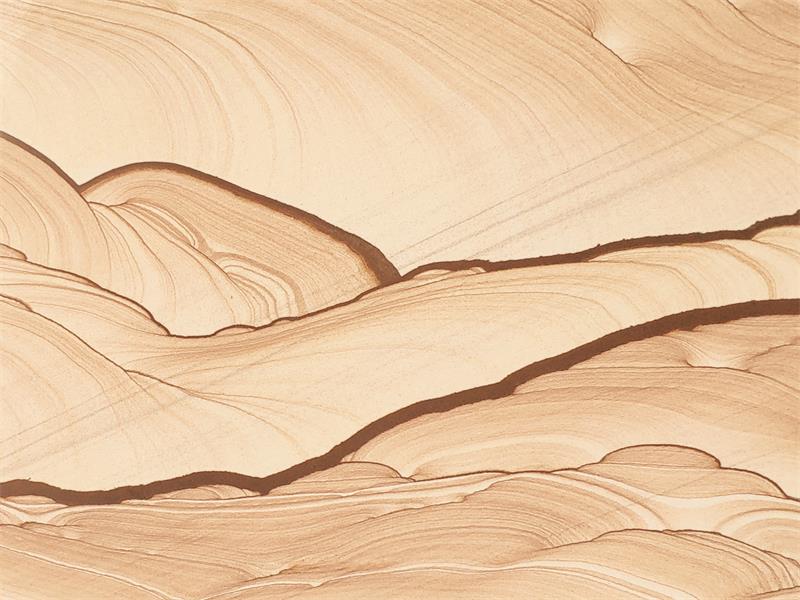
Yellow Sandstone is a radiant natural stone prized for its golden hues, durability, and versatile applications in architecture and design.
Yellow Sandstone: A Comprehensive Introduction
Geological Formation & Origin
- Sedimentary Roots: Yellow Sandstone is formed over millions of years through the compaction of sand particles, primarily quartz and feldspar, bound by silica, calcium carbonate, or iron oxide.
- Color Source: Its warm yellow tones, ranging from pale cream to rich golden hues, are largely due to iron oxide content.
- Regional Identity: One of the most famous varieties is Jaisalmer Yellow Sandstone, quarried in Rajasthan, India, known for its desert-inspired brilliance.
Aesthetic Appeal
- Golden Glow: The stone’s sunny tones evoke warmth and brightness, making spaces feel inviting.
- Natural Charm: Its layered formations and subtle grain patterns create a timeless, organic look.
- Design Harmony: Yellow Sandstone pairs beautifully with both traditional and contemporary materials, enhancing facades, interiors, and landscapes.
Physical Properties
- Durability: Resistant to weathering, making it suitable for both indoor and outdoor use.
- Porosity: Moderate porosity allows breathability, which helps regulate temperature in buildings.
- Workability: Its fine grain structure makes it easy to carve, polish, and shape into custom designs.
Applications
- Architecture: Widely used in temples, palaces, and heritage buildings across India due to its regal appearance.
- Modern Construction: Flooring, wall cladding, facades, and paving stones.
- Landscaping: Garden pathways, fountains, and decorative features.
- Artistry: Sculptures and intricate carvings, thanks to its workable texture.
Customization & Availability
- Formats: Available in slabs, tiles, blocks, and customized dimensions.
- Finishes: Natural, honed, polished, bush-hammered, or sandblasted.
- Global Demand: Exported worldwide, especially favored in Europe, the Middle East, and North America for its warm aesthetics.
Comparison Table: Key Attributes of Yellow Sandstone
| Attribute | Details |
|---|---|
| Appearance | Warm yellow hues, desert-inspired brilliance |
| Durability | Weather-resistant, long-lasting |
| Composition | Quartz, feldspar, bound by silica, calcium carbonate, iron oxide |
| Porosity | Moderate, breathable |
| Workability | Easy to carve and polish |
| Applications | Flooring, cladding, facades, landscaping, sculptures |
| Famous Variety | Jaisalmer Yellow Sandstone (Rajasthan, India) |
Yellow Sandstone is more than a building material—it is a symbol of warmth, heritage, and versatility. Its golden tones bring light and elegance to any project, while its durability ensures lasting beauty. From ancient temples to modern luxury homes, Yellow Sandstone continues to inspire architects, designers, and homeowners worldwide.