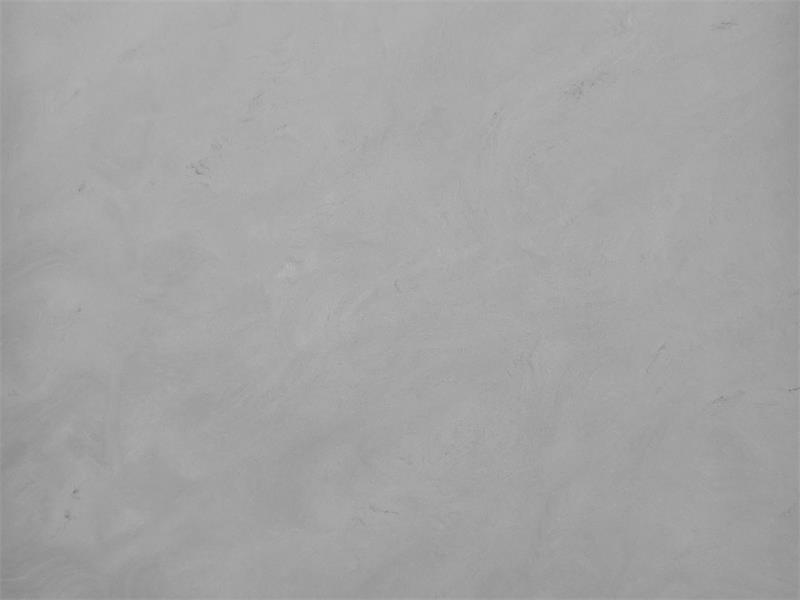
Grey Sandstone is a durable natural stone, admired for its subtle gray tones and fine-grained texture. Its understated elegance and timeless appeal make it an excellent choice for flooring, wall cladding, paving, and exterior applications. Strong yet versatile, Grey Sandstone brings modern sophistication, natural charm, and enduring beauty to any architectural or interior design project.
Grey Sandstone: A Multi-Dimensional Introduction
Geological Formation & Origin
- Sedimentary Roots: Grey Sandstone is formed from compacted sand particles, primarily quartz and feldspar, bound together over millions of years.
- Natural Coloration: Its subtle grey tones arise from mineral content such as silica and iron compounds, giving it a neutral yet elegant appearance.
- Quarry Source: Widely quarried in India and other regions, Grey Sandstone is a popular export stone valued for its consistency and durability.
Aesthetic Appeal
- Timeless Neutrality: The soft grey palette provides a calm, understated elegance that harmonizes with diverse design styles.
- Versatile Patterns: Available in fine-grained uniform textures or layered striations, offering both modern minimalism and rustic charm.
- Design Compatibility: Grey Sandstone pairs beautifully with wood, glass, and metal, making it a favorite for contemporary architecture.
Physical Properties
- Durability: Strong and weather-resistant, suitable for both indoor and outdoor applications.
- Slip Resistance: Its natural surface provides traction, making it ideal for flooring and paving.
- Workability: Easy to cut, carve, and finish, allowing for customized designs and architectural detailing.
Applications
- Architecture: Widely used in facades, flooring, wall cladding, and staircases.
- Landscaping: Perfect for garden pathways, patios, fountains, and outdoor seating areas.
- Public Spaces: Commonly chosen for plazas, courtyards, and monuments due to its durability and neutral tone.
- Artistic Use: Sculptors and artisans value Grey Sandstone for its workable texture and refined finish.
Customization & Availability
- Formats: Supplied as slabs, tiles, blocks, and pavers in various thicknesses.
- Finishes: Natural, honed, polished, bush-hammered, or sandblasted, depending on design needs.
- Global Demand: Exported worldwide, especially favored in Europe, the Middle East, and North America for its versatile aesthetic.
Comparison Table: Key Attributes of Grey Sandstone
| Attribute | Details |
|---|---|
| Appearance | Subtle grey tones, fine-grained or layered textures |
| Durability | Strong, weather-resistant |
| Slip Resistance | Naturally non-slippery surface |
| Workability | Easy to cut, carve, and finish |
| Applications | Flooring, cladding, facades, landscaping, sculptures |
| Finishes | Natural, honed, polished, bush-hammered, sandblasted |
| Origin | Quarried in India and other regions |
Grey Sandstone embodies understated elegance and practical resilience. Its neutral tones make it a versatile choice for both traditional and modern projects, while its durability ensures long-lasting beauty. Whether used in luxury interiors, expansive landscapes, or public monuments, Grey Sandstone delivers timeless sophistication and functional strength.