You want a stunning kitchen, but you fear the potential mess. White marble looks incredible, yet horror stories about red wine stains make you hesitate. Is the beauty really worth the risk?
Living with white marble requires a balance of care and appreciation. While it is porous1 and prone to etching2 from acids, proper sealing3 and immediate cleanup make it manageable. Its timeless elegance and ability to brighten spaces often outweigh the maintenance needs for homeowners seeking luxury.
I have seen many clients struggle with this choice over the years. I want to share my honest experience with you so you can decide if this stone fits your life.
Why Do Designers Love White Marble for Luxury Spaces?
You walk into a room, and the stone catches your eye immediately. Nothing mimics the natural brightness of real marble. It creates a feeling that man-made materials simply cannot copy.
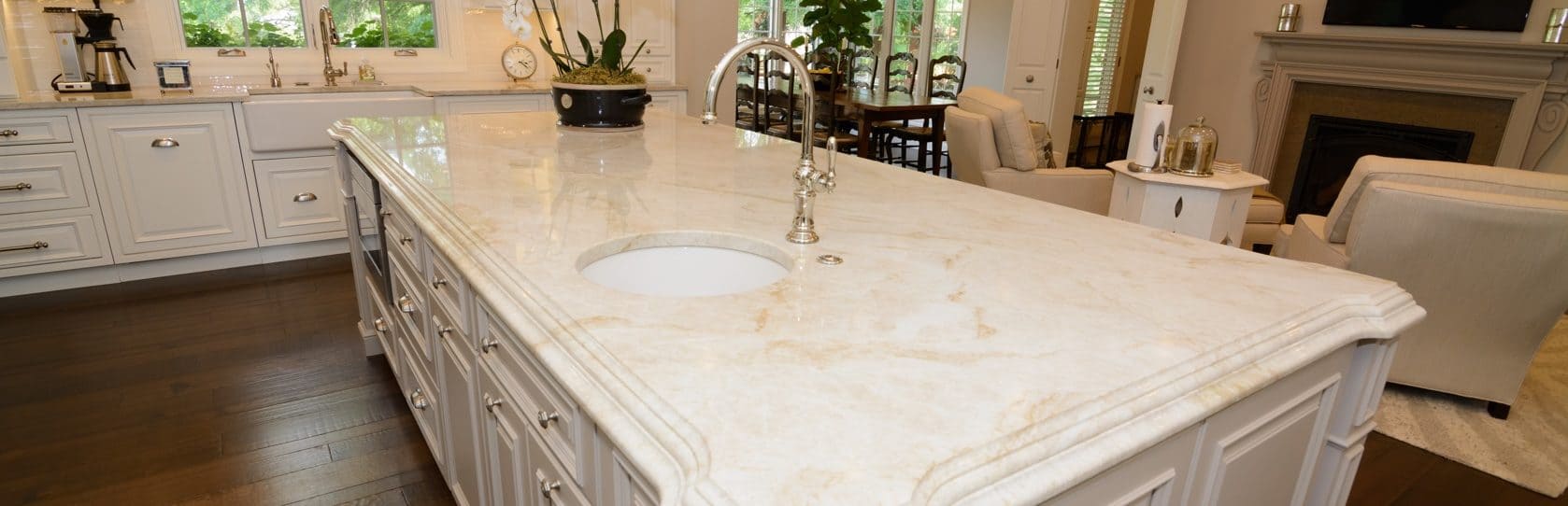
Designers choose white marble because it adds instant value and light to a room. The unique veining ensures no two pieces are alike. It reflects light in a way that makes spaces feel larger and more expensive, creating a high-end atmosphere that attracts customers and guests.
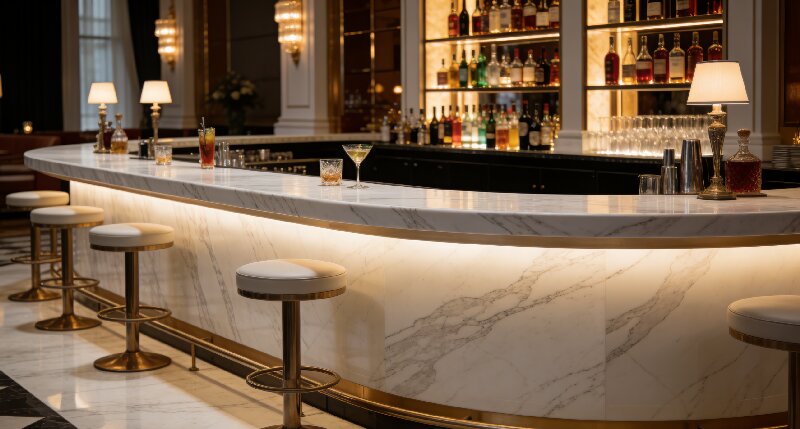
I want to tell you a story about this. A few years ago, I worked on a project with a boutique hotel in Dubai. They were building a high-end restaurant. They wanted a vibe that was modern but also very rich. The design team looked at many materials. Finally, they picked a white marble from our factory for the open bar and some tables.
After they opened, the hotel manager called me. He wanted to share what the guests were saying. He told me, "Many guests look at the bar first. The white marble looks so pure under the lights. People even take photos of their drinks on the bar and put them on social media." This gave the restaurant a lot of attention very quickly.
This story shows that marble is more than just a rock. It is a tool for your image.
- Visual Appeal: It draws the eye immediately.
- Light: It makes the room feel open.
- Status: It tells people this is a quality place.
However, the manager was honest with me. He said running the bar was hard work. In busy times, drinks and spices spilled. They had to clean it fast. He laughed and called it a "beautiful challenge." He said they were happy to do the extra work because the stone raised the level of the whole hotel.
This made me realize something important. White marble is an investment. It brings value to a commercial space or a home. But, you must be ready to take care of it. If you want that high-end look, you have to put in the effort. The beauty is the reward for your work.
What Are the Main Downsides of White Marble Surfaces?
You drop a lemon slice, and panic sets in immediately. Soft stone reacts quickly to acids and strong colors. You must understand these risks clearly before you buy for your kitchen.
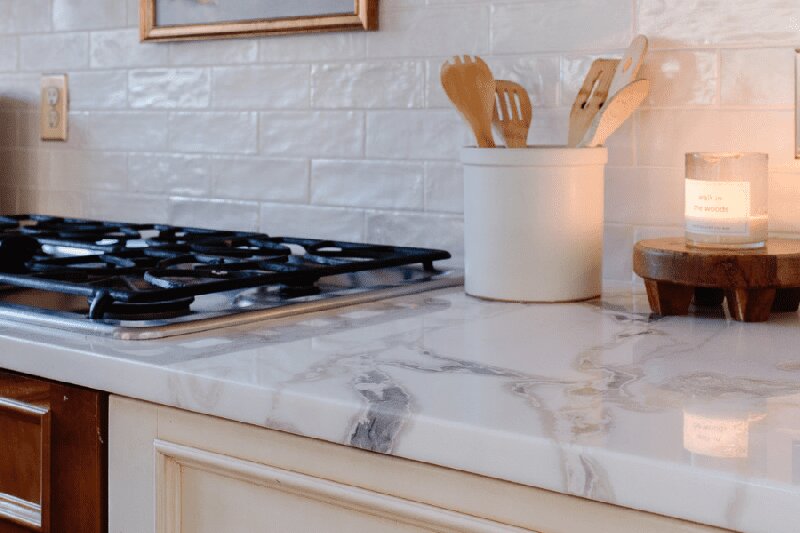
The main downsides are porosity and softness. Marble can absorb liquids like wine or oil, causing stains. Acidic foods like lemon or vinegar cause "etching2," which leaves dull spots on the polished surface. It is softer than granite, so it scratches more easily during daily use.
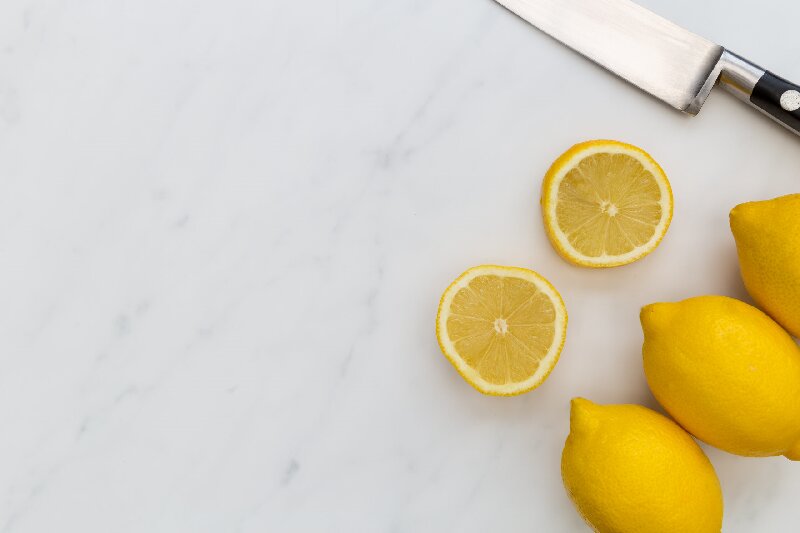
We need to be honest about the physical nature of the stone. Marble is made of calcium carbonate. This is a chemical fact. It means it reacts with acids. If you cut a lemon on a polished surface, the shine will fade in that spot. We call this "etching2." It looks like a dull water spot that you cannot wipe away. It happens with vinegar, tomato sauce, and some fruits.
Also, marble is porous1. It has tiny holes that you cannot see with your eyes. If you spill red wine, coffee, or oil, the liquid goes into these holes. If you do not wipe it fast, it stays there. This creates a dark stain inside the stone.
Here is a simple breakdown of the risks:
| Issue | Cause | Result |
|---|---|---|
| Etching | Acids (Lemon, Vinegar, Soda) | Dull spots on the polish |
| Staining | Pigments (Wine, Oil, Coffee) | Dark marks deep inside the stone |
| Scratching | Metal, Knives, Heavy Pots | Physical white lines on the surface |
| Impact | Heavy objects dropped | Chips or cracks on the edges |
You also need to think about the finish. A polished finish is shiny. It shows etching2 very easily. A honed finish is matte. It is already dull, so acid spots do not show as much. However, honed marble has more open pores, so it stains easier.
Many people in Europe accept these marks. They have old marble tables with many scratches and spots. They call this "patina4." They think it shows the life and history of the house. If you want your kitchen to look perfect forever, marble might annoy you. If you like character and natural aging, it is fine. You must decide if you can live with imperfection.
How Do You Maintain White Marble Daily?
You worry that cleaning will take up all your free time. Maintenance is actually simple if you build good habits. You just need the right tools and the right schedule.
To maintain white marble, seal it professionally upon installation and re-seal every six to twelve months. For daily cleaning, use a soft cloth and warm water or a pH-neutral stone cleaner. Avoid harsh chemicals like bleach or vinegar, and always use cutting boards and coasters.
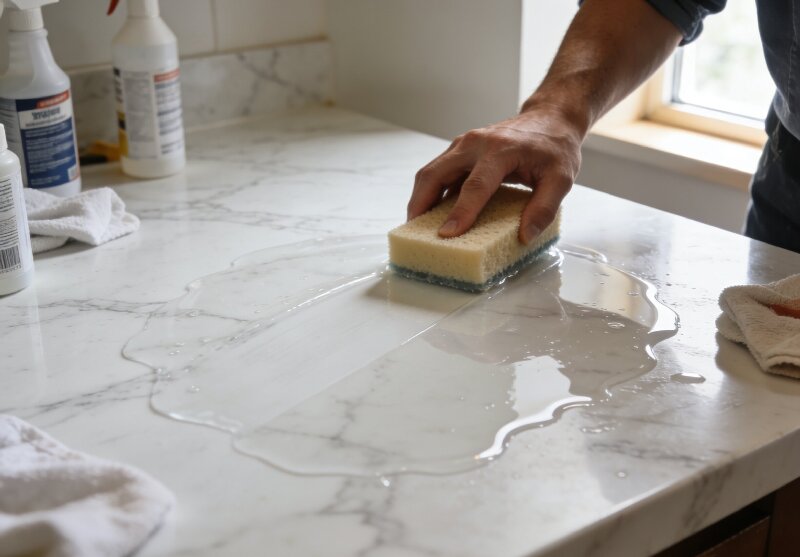
Taking care of marble is not as hard as people say. The most important step is sealing3. A sealer is a liquid that goes into the pores of the stone. It fills the holes. This stops wine and oil from going deep into the stone. It gives you time to wipe up spills. At our factory in Quanzhou, we tell every client to seal the stone before they use it. You should do this again every year. It is easy to do yourself. You just wipe it on and wipe it off.
For daily cleaning, keep it simple. Do not use standard kitchen sprays. Most of them have acid or bleach. These damage the stone. Follow these simple daily steps:
- Wipe spills immediately. Do not wait until after dinner.
- Use a soft sponge. Do not use steel wool or rough pads.
- Use mild soap and water. Or buy a cleaner made for stone.
You also need to change how you work in the kitchen.
- Use coasters for every drink.
- Use trivets for hot pans.
- Use cutting boards for all food. Do not cut on the stone.
If you get a stain, do not panic. You can use a "poultice." This is a thick paste. You put it on the stain and cover it with plastic. You leave it for 24 to 48 hours. The paste pulls the stain out of the stone. It works very well for oil stains.
Living with marble is about habits. Once you learn them, it becomes automatic. It is like owning a nice car or a silk shirt. You wash it carefully because you love it. The stone pays you back with its beauty every day.
Is White Marble a Good Financial Choice?
You look at the price tag and wonder if it pays off. Marble costs more than some options, but it adds value. You need to think about the long-term benefits.
White marble is a strong financial choice because it increases property value. Homebuyers often view marble as a premium upgrade, allowing you to ask for a higher selling price. Although the initial cost is higher than laminate or tile, its longevity and appeal make it a solid investment.

We see many wholesalers and contractors buying marble from us. They know it helps sell houses. When a buyer walks into a kitchen, the countertop is the first thing they see. If it is real stone, they think the whole house is quality. It sets a standard.
There are different price levels for marble. Some are very expensive, like Italian Calacatta. Others, like Carrara or some Chinese white marbles we produce, are more affordable. You can find a stone that fits your budget.
Factors that change the price:
- Rarity: Whiter backgrounds with specific veins cost more.
- Origin: Imported stone usually costs more than local stone.
- Processing: Complex edge cuts add to the price.
Synthetic stone, like quartz, is popular now. It is cheaper and harder. But it does not feel the same. It feels plastic or cold. Natural stone feels cool and solid. It connects you to nature. People can feel the difference.
Over my 15 years in this business, I have seen trends change. Colors come and go. But white marble always stays in style. It is classic. If you sell your house in 10 years, the marble will still look good. It will not look like an old trend from the past. This makes it a safer place for your money than trendy materials.
Also, real stone lasts a lifetime. If you chip it, a professional can fix it. If it gets scratched, you can polish it again. It is renewable. Laminate or quartz is hard to fix if it breaks. So, while you pay more now, you buy a material that lasts forever.
Conclusion
White marble is beautiful but requires care. If you accept the maintenance, it rewards you with unmatched luxury and value. It is a lifestyle choice for those who love natural beauty.
Learn about the implications of marble's porosity and how to manage it effectively. ↩
Discover the causes of etching and effective prevention methods for marble surfaces. ↩
Find out the best practices for sealing marble to maintain its beauty and longevity. ↩
Learn about the concept of patina and how it adds character to marble surfaces. ↩