Do you love the elegant look of marble but fear the stains and scratches? Many of my clients face this exact dilemma when choosing materials for high-traffic kitchens. You want beauty, but you need something that lasts.
Quartzite is a natural metamorphic rock1 that originates as sandstone. Through intense heat and pressure, it becomes an extremely hard and durable surface. It offers the luxurious appearance of marble but provides the strength and heat resistance2 of granite, making it an ideal choice for kitchen countertops.
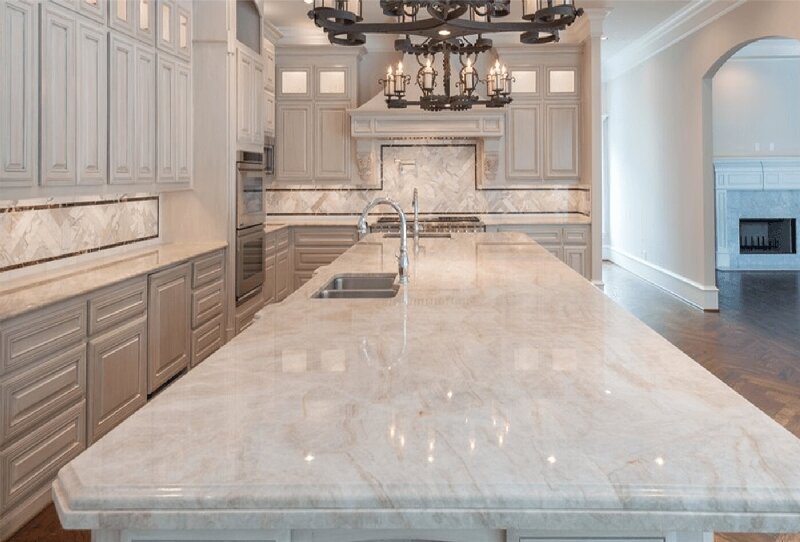
A few months ago, I received an inquiry from a purchasing manager at an interior design firm in Sydney, Australia. They were selecting materials for a high-end residential project.
In our video meeting, he got straight to the point. "Our client wants the unique veining of natural stone," he said. "But the kitchen will see heavy daily use. We used marble before, but the maintenance costs were too high. Can you recommend a more durable option?"
I showed him several quartzite samples from our factory in China. I explained that quartzite is nearly as hard as granite. It resists scratches and heat. This makes it perfect for a busy cooking space. At the same time, its natural patterns satisfy the need for beauty. I also told him that compared to marble, quartzite needs less maintenance. This helps reduce after-sales complaints.
After some discussion, the manager decided to use quartzite for all the kitchen countertops. He kept marble for the bathrooms and bar areas. After signing the contract, he smiled and said, "This solves our durability issue and keeps the design exciting."
He contacted me again recently. The client loves the stone. They are planning to use it in their next batch of projects. This story shows why quartzite is gaining popularity. Let's look at why it might be right for you.
What Exactly Is Quartzite and How Is It Formed?
Many people confuse different types of stone, so it is important to understand what you are buying. You need to know the origin of the material to understand its strength.
Quartzite is a non-foliated metamorphic rock composed almost entirely of quartz. It forms when sandstone rich in quartz is altered by the heat, pressure, and chemical activity of metamorphism.
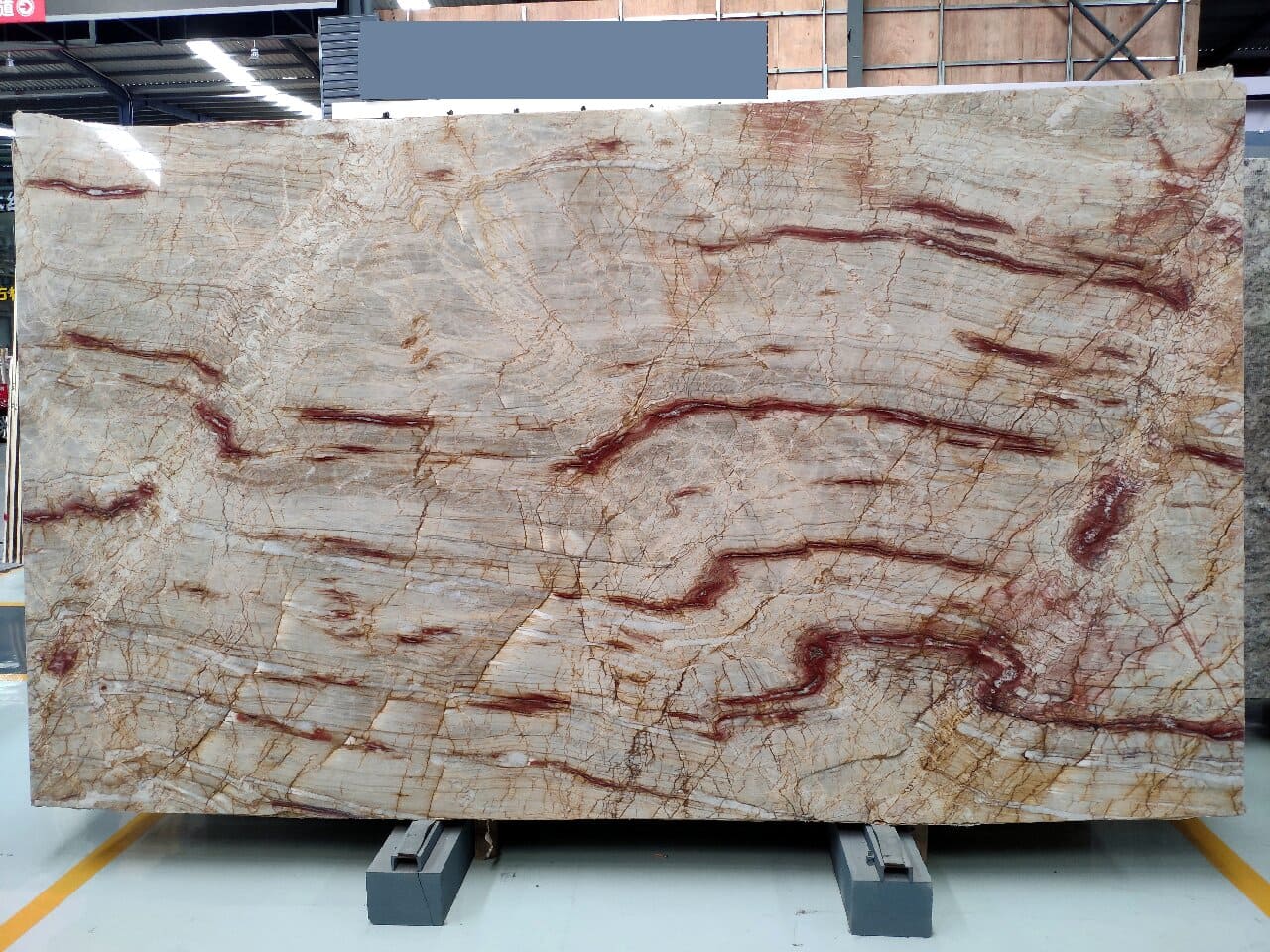
To understand quartzite, you have to look at its history. It starts its life as simple sandstone. Over millions of years, the earth shifts. Tectonic plates move and crash into each other. This creates massive heat and pressure. This process changes the sandstone. The sand grains fuse together with silica cement. The result is a rock that is incredibly tough.
When we process this stone in our factory in China, we can feel the difference. It is much harder than limestone or marble. On the Mohs scale of mineral hardness, quartzite scores a 7 out of 10. For comparison, a knife blade is only about a 5.5. This means a steel knife will struggle to scratch true quartzite.
Because it is 100% natural, every slab is different. The colors usually range from white to gray. However, minerals in the earth can add colors. Iron oxide creates pink or red hues. Other minerals create yellow, blue, or green colors. This natural variation is why designers love it. You get a piece of art made by the earth.
Key Characteristics of Quartzite Formation
| Feature | Description |
|---|---|
| Origin | Sandstone transformed by heat and pressure. |
| Composition | Mostly quartz (silica). |
| Hardness | 7 on Mohs scale (Harder than glass and steel). |
| Appearance | Crystalline, sparkling, often with veining. |
Why Do Designers Choose Quartzite Over Marble?
You might wonder why you should pay for quartzite if it looks just like marble. The answer lies in how the stone performs in a real kitchen environment.
Designers choose quartzite because it bridges the gap between the aesthetic appeal of marble and the functional durability of granite. It solves the practical problems of soft stones.
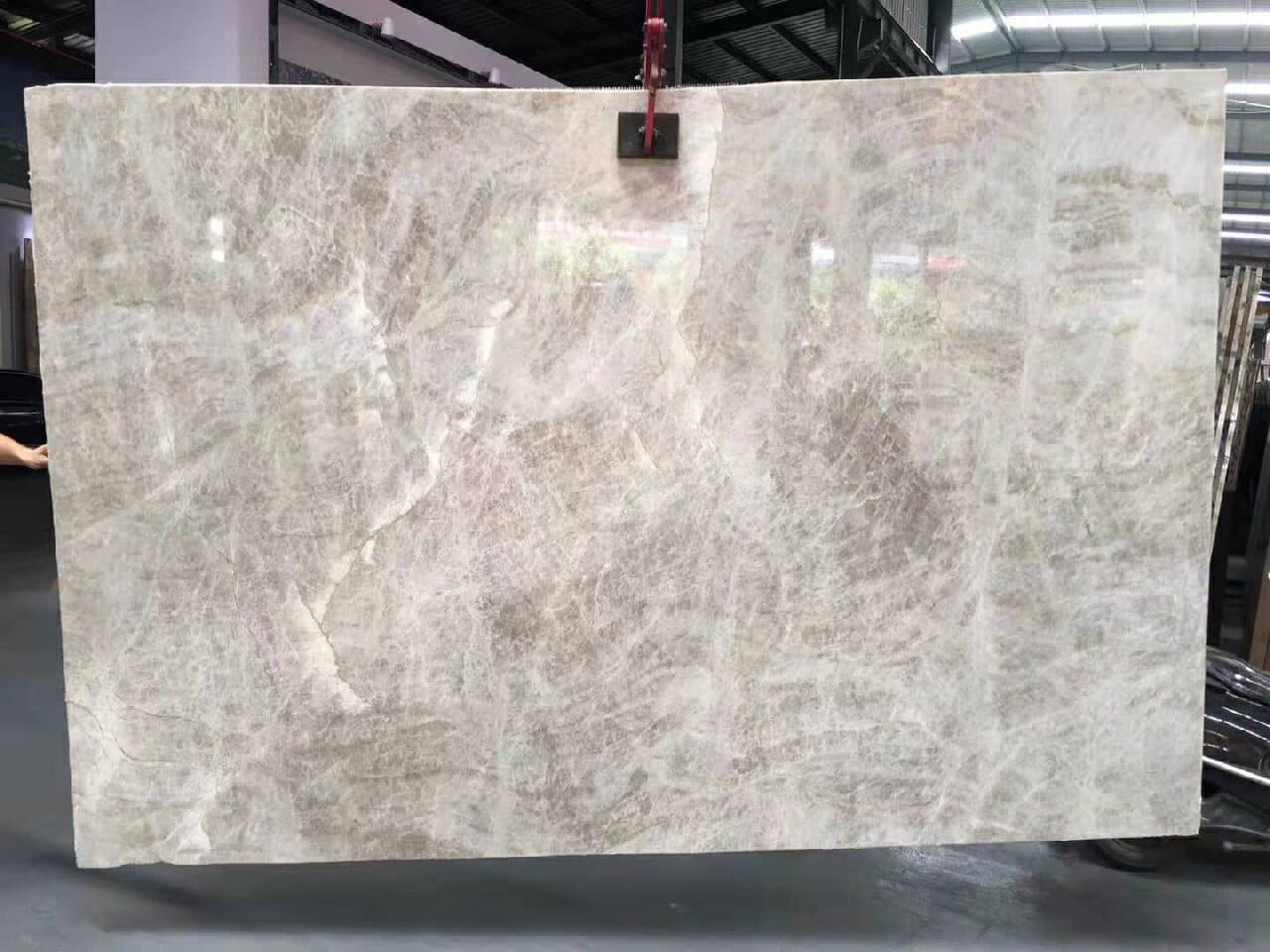
As I mentioned in the story about my Australian client, the "marble look" is very popular. Everyone loves the white background and the grey veins. It looks clean and expensive. However, marble is made of calcium carbonate. This is a soft mineral. If you cut a lemon on marble, the acid eats the surface. This is called "etching." It leaves a dull mark. If you spill red wine, it stains quickly.
Quartzite is different. True quartzite does not contain calcium carbonate. Therefore, it does not etch when exposed to lemon juice or vinegar. This is a huge advantage for a kitchen countertop. You can cook freely without worrying about every drop of sauce.
Also, the hardness factor is vital. In a busy family home, kids might drag heavy pots across the counter. On marble, this leaves a scratch. On quartzite, the stone usually wins. It remains smooth.
Here is a quick breakdown of why my clients switch from marble to quartzite:
- Acid Resistance: It handles acidic foods better.
- Scratch Resistance: It is much harder to damage.
- Similar Beauty: It mimics the high-end look of marble perfectly.
However, you must be careful. Some stones are labeled "soft quartzite." These might have some marble mixed in. Always ask us for a sample to test.
How Does Quartzite Compare to Engineered Quartz?
The names are very similar, which causes a lot of confusion for buyers. You need to know the difference between a rock from the ground and a product from a factory.
Quartzite is a natural stone quarried from the earth, while Quartz is an engineered product made of stone dust and resin. They perform differently under heat and sunlight.
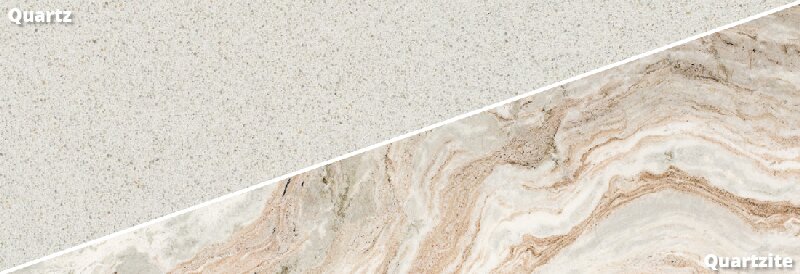
This is the most common question I get from wholesalers. "Is this Quartz or Quartzite?" Let me clarify. Engineered Quartz (often just called Quartz) is man-made. Manufacturers take crushed stone and mix it with resin (plastic) and pigment. It is uniform and non-porous.
Quartzite is dug from a mountain. It is cut into blocks and sliced into slabs. No plastic is added.
The biggest functional difference is heat resistance2. Because engineered quartz contains resin, it can melt or scorch. If you put a hot pan directly on an engineered quartz countertop, you might leave a permanent burn mark. Quartzite was born in heat. It can handle a hot pan without issues.
Another difference is UV resistance. If you are building an outdoor kitchen, you cannot use engineered quartz. The sun will turn the resin yellow over time. Quartzite is natural stone. It resists UV rays and keeps its color.
Visually, they are also different. Engineered quartz looks perfect. The pattern repeats. Quartzite has "visual depth3." The crystals sparkle. The veins are random and chaotic. This gives it a luxury feel that man-made products cannot copy.
Comparison Table: Quartzite vs. Engineered Quartz
| Feature | Natural Quartzite | Engineered Quartz |
|---|---|---|
| Material | 100% Natural Stone | 90-95% Crushed Stone + Resin |
| Heat Resistance | Excellent (Heat proof) | Low (Resin can scorch) |
| UV Resistance | Excellent (Good for outdoors) | Poor (Discolors in sun) |
| Maintenance | Needs sealing | No sealing required |
| Visuals | Unique, random patterns | Uniform, consistent patterns |
What Are the Main Pros and Cons of Quartzite?
No material is perfect, and you need to weigh the benefits against the downsides. Understanding the limitations helps you manage expectations for your project.
The main pros are durability and aesthetics, while the main cons are the higher price point and the need for regular sealing.
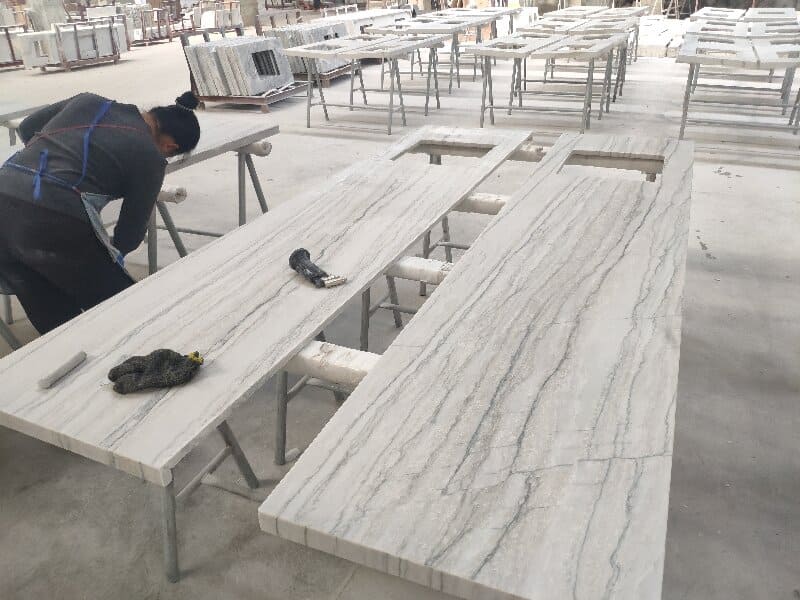
Let's be honest about the good and the bad. As a manufacturer, I want you to be happy with your purchase for years.
The Pros:
- Durability: As we discussed, it is harder than granite. It resists scratches, chipping, and heat. It is a "forever" material.
- Aesthetics: The look is unmatched. It offers the elegance of marble without the fragility. The crystal structure reflects light in a beautiful way.
- Versatility: You can use it indoors for kitchens and bathrooms, or outdoors for BBQ areas and wall cladding.
- Value: It adds significant value to a property. Homebuyers love natural stone.
The Cons:
- Price: Quartzite is generally more expensive than granite. It is harder to quarry and harder to cut. This increases the production cost.
- Fabrication Difficulty: Because the stone is so hard, it wears out cutting blades quickly. Your fabricator needs to be skilled. Complex edge profiles take more time to make.
- Porosity: While it is harder than marble, it is still a natural stone. It has micropores. It can absorb liquids if left too long. You must seal it.
- Inconsistency: Being natural means samples might look slightly different from the final slab. You should always inspect the actual slab before cutting.
How Should You Maintain Your Quartzite Surfaces?
Protecting your investment is simple if you follow the right steps. Proper care ensures the stone stays beautiful for decades.
You should seal your quartzite countertops once a year and clean spills immediately with mild soap and water. Avoid abrasive cleaners that can dull the polish.
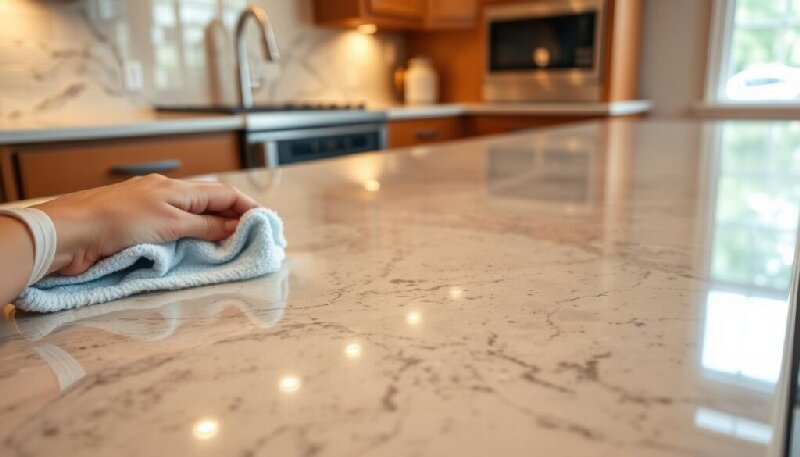
Maintenance for quartzite is not difficult. It is much easier than marble, but it is not "zero maintenance" like engineered quartz.
Sealing is the most important step. When we ship slabs from our factory, we often apply a sealer. But this wears off. You should test your countertop annually. Pour a little water on it. If the water beads up, the seal is good. If the water soaks in and makes a dark spot, it is time to reseal. You can buy quality stone sealers at any hardware store. It is a simple wipe-on, wipe-off process.
Daily cleaning is easy. Use warm water and a little dish soap. You do not need expensive special cleaners. However, you should avoid harsh chemicals. Do not use bleach or ammonia. Do not use cleaners with acid (like vinegar or lemon scent) just to be safe.
Deal with spills fast. Even though quartzite is tough, do not let wine, coffee, or oil sit on it overnight. If the sealer is old, these liquids can seep into the pores. If a stain does happen, you can use a "poultice" (a paste made of baking soda and water) to draw the stain out.
Finally, use a cutting board. Yes, the stone is hard. It probably won't scratch. But it will dull your expensive knives instantly. Protect your knives by using a board.
Conclusion
Quartzite is the ideal choice if you want the beauty of marble with the strength of granite. It is an investment that adds value and style to any home.